
Why Deer Management Matters in Conservation
Wildlife conservation seeks to preserve and protect animals, plants, and their habitats. Central to this is understanding how species interact within ecosystems and how human activities influence these dynamics. In the UK, deer management is a key conservation tool because deer can have both positive and negative effects on ecosystems, depending on the conservation goals set by humans.
Our engagement with deer stems from conservation priorities rather than the deer’s inherent needs. Over millennia, deer have adapted to their environments, but in modern landscapes, their management aligns with human objectives, such as protecting habitats and ensuring biodiversity.
Understanding Deer Impact Management
Deer impact management refers to strategies designed to manage how deer affect ecosystems. It encompasses more than simply reducing deer numbers—it includes influencing deer behaviour and mitigating their impact on habitats. The goal is to harmonise deer presence with conservation aims, such as habitat restoration and crop protection.

The Challenge of Rising Deer Populations
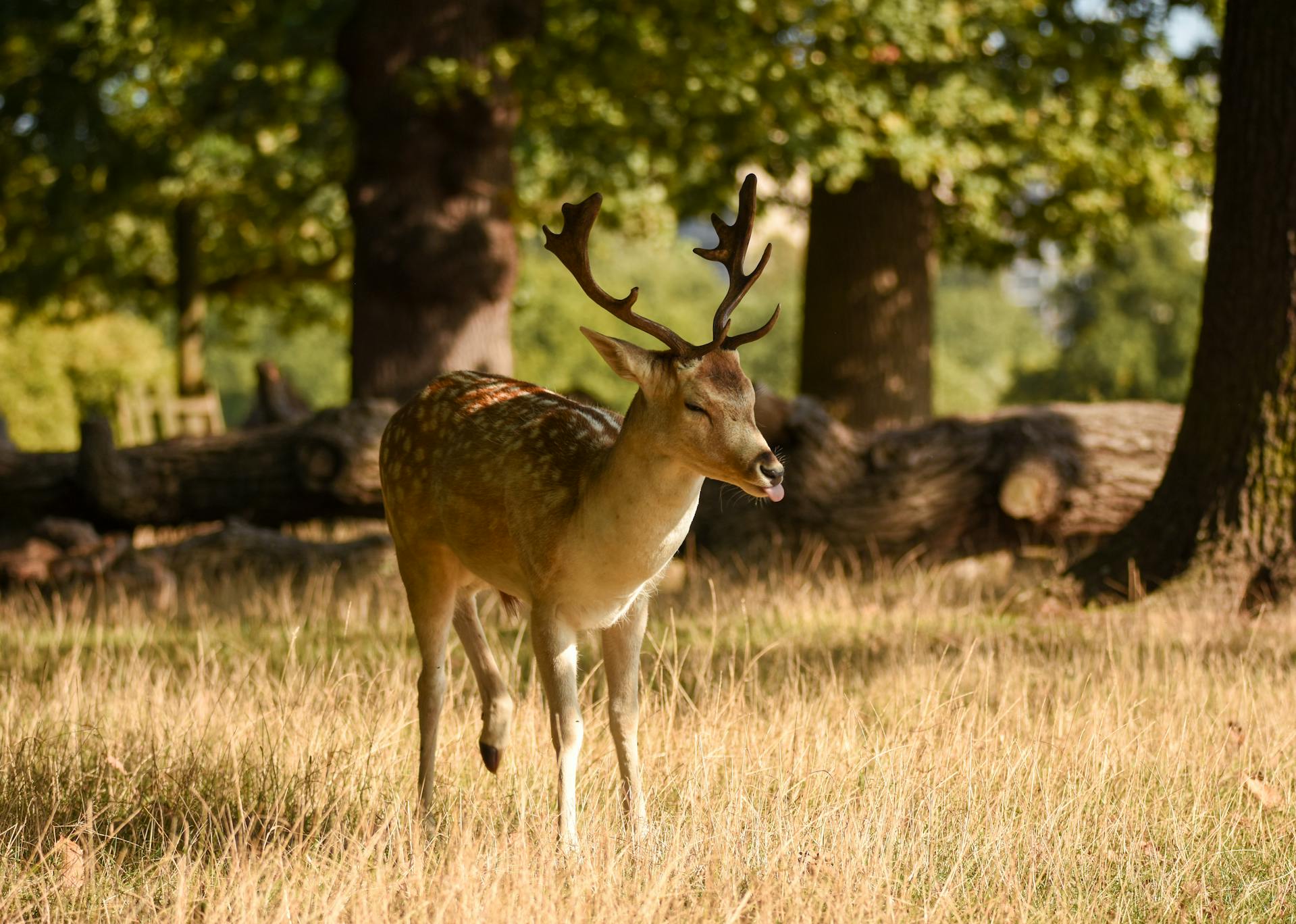
The UK is home to six wild deer species, whose populations have grown significantly in recent decades. The term “overpopulation” is often used, but it is a human construct, shaped by perceptions of what is acceptable rather than natural. While large deer populations can present ecological challenges, it is not the sheer number of deer that causes issues but the negative impacts they can have, such as over-browsing and habitat degradation.
The Role of Culling in Deer Management
Culling—planned population reduction—remains the most effective method to manage deer numbers. It reduces damage to vegetation, limits biodiversity loss, and mitigates agricultural impacts. Culling can be targeted to address specific factors, such as age, sex ratio, or health, ensuring a balanced approach to population control. However, culling must be carefully managed to avoid unintended consequences, such as skewing sex ratios.
Beyond Numbers: Holistic Ecosystem Management
Effective deer management is not just a numbers game. Healthy ecosystems can support high deer densities without negative impacts on biodiversity, but even low deer densities can be impactful to forestry where understory diversity is already poor. Management should focus on the health of the entire ecosystem rather than arbitrary population targets. Inaction can lead to severe consequences, such as loss of plant diversity, increased deer-vehicle collisions, and crop damage.
Balancing Stakeholder Interests
Successful deer management requires collaboration among stakeholders, because deer populations operate at landscape scales and across ownership boundaries. Stakeholders can include conservationists, farmers, and landowners and will often have varying objectives. Conflicting interests can complicate decisions, but open dialogue helps achieve consensus on management strategies. Ensuring balanced outcomes involves aligning management practices with the diverse needs of those who use and value the land.


Ensuring Long-Term Viability
Deer management is crucial not only for immediate conservation goals but also for the long-term health and sustainability of deer populations. Careful management helps ensure that deer populations remain healthy and robust. A well-managed population tends to have better body condition, fewer parasites, and a lower risk of disease, benefiting both individual animals and the ecosystem. Ultimately, deer management is about achieving a balance that serves both the welfare of the deer and the broader environmental goals that humans set.
Contact Us
Our experienced team is passionate about delivering tailored solutions to meet your needs while prioritizing sustainability and wildlife conservation. Get in touch today to learn more about our services or to discuss your specific requirements. We look forward to hearing from you!